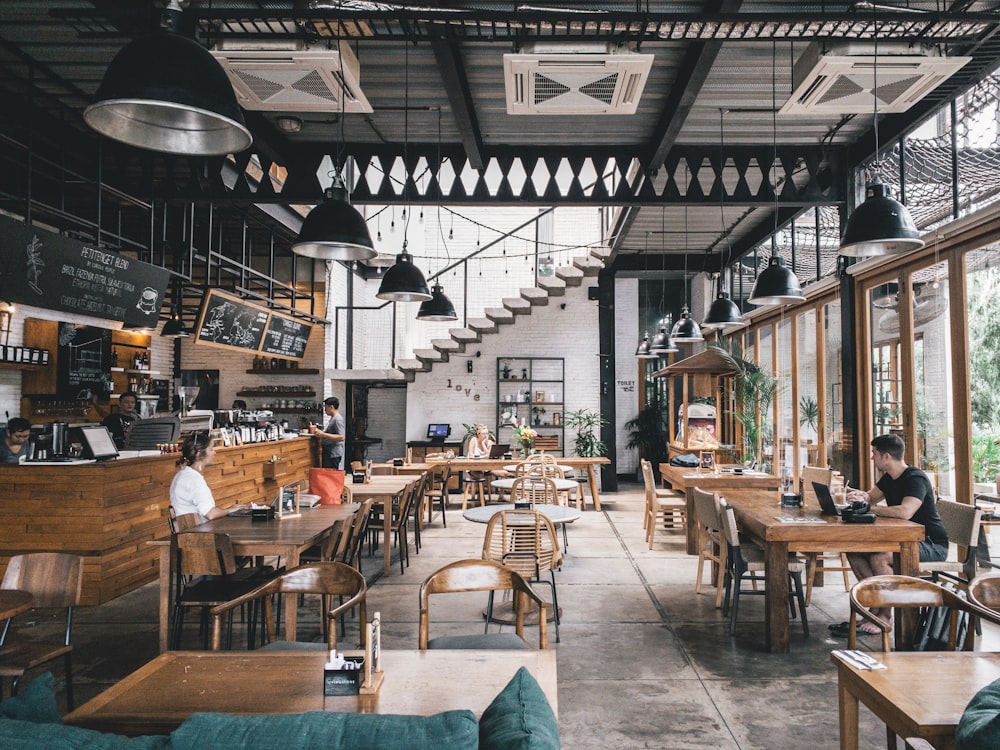
How Restaurants Can Turn First-Time Online Customers Into Regulars
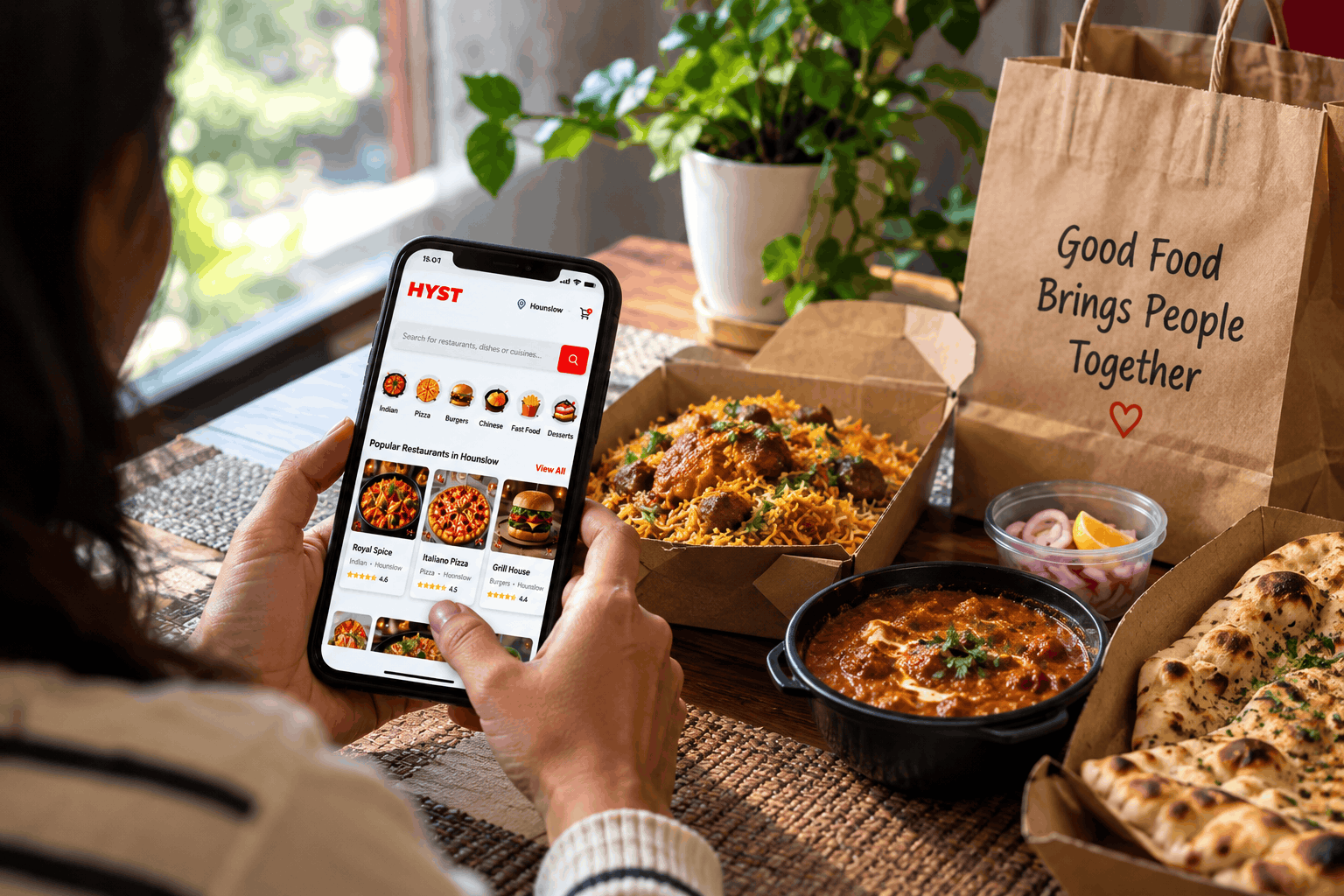
A first online order gives a restaurant an opportunity to create a lasting customer relationship. For independent restaurants in Hounslow and across the UK, the real value of online food ordering is not limited to attracting new customers; it also comes from encouraging satisfied customers to return. By combining consistent food quality, a smooth ordering experience, clear menu information and thoughtful communication, restaurants can turn occasional buyers into regular customers. Businesses exploring digital ordering can also discover options through HYST's online restaurant ordering platform, alongside their existing customer-retention strategies.
Why Repeat Online Customers Matter for Restaurants
Attracting a new customer takes effort. A person may discover a restaurant through Google, social media, a recommendation or an online food marketplace, but discovery alone does not guarantee a second order.
Repeat customers already know something about the restaurant. They may remember a favourite dish, recognise the restaurant's name and feel more confident placing another order. This familiarity can reduce hesitation and make the next purchase easier.
For restaurant owners, improving customer retention can support more predictable demand and help build a stronger local reputation. It can also provide useful insights into popular dishes, ordering patterns and customer preferences.
Restaurants should therefore look beyond the number of orders received in a single week and consider questions such as:
- How many customers place a second order?
- Which dishes encourage customers to return?
- Do customers find the online menu easy to use?
- Are delivery and collection expectations being met?
- What feedback do customers share after ordering?
- Which channels bring customers back to the restaurant?
These questions help restaurant owners identify practical ways to improve the customer experience.
1. Make the First Online Order Easy
The first experience often shapes a customer's impression of a restaurant. If finding the menu, selecting dishes or completing checkout feels confusing, the customer may be reluctant to order again.
A straightforward online ordering journey should help customers discover the restaurant, browse categories, understand dish descriptions, check prices and complete their order without unnecessary steps.
Restaurants can improve this journey by:
- Organising dishes into clear menu categories.
- Using accurate descriptions and relevant food photography.
- Displaying prices and available add-ons clearly.
- Removing unavailable dishes or marking them appropriately.
- Making delivery and collection information easy to find.
- Ensuring the ordering page works well on smartphones.
- Keeping checkout instructions simple and understandable.
For restaurants looking to improve their digital sales process, the principles covered in How Hounslow Restaurants Can Increase Direct Online Orders provide a useful starting point for connecting local discovery with completed orders.
The goal is to remove unnecessary friction so customers can concentrate on choosing food rather than figuring out how the ordering system works.
2. Deliver Consistent Food Quality
A convenient website may encourage the first order, but the food itself strongly influences whether a customer returns.
Restaurants should aim to provide a consistent experience across repeat orders. This includes taste, portion sizes, presentation, temperature and preparation standards.
A customer who orders the same dish twice should have a reasonable expectation of receiving a similar experience each time. When a restaurant makes a promise through its menu description or food photographs, the actual order should reflect that information.
Useful operational practices include maintaining standard recipes, checking packaging quality, training staff and reviewing common customer complaints.
Restaurants should also monitor dishes that regularly receive negative feedback. A recurring issue with a particular item may be more important to customer retention than a temporary increase in social media views.
Consistency helps customers develop confidence in the restaurant, making it easier for them to choose it again.
3. Keep Online Menus Accurate and Appealing
A restaurant menu is one of the most important parts of the online customer journey. Customers need to know what is available, what each dish contains and how much it costs before making a decision.
An outdated menu can cause disappointment when customers discover that an advertised dish is unavailable or the listed price is incorrect. Repeated problems can weaken trust and discourage future orders.
Restaurant owners should regularly review:
- Menu prices and portion options.
- Dish names and descriptions.
- Vegetarian and other dietary information.
- Available extras and customisations.
- Food photographs.
- Opening hours and ordering availability.
- Delivery and collection details.
A well-maintained digital restaurant menu can make it easier for customers to compare dishes and place orders with confidence.
Restaurants should also keep their menus manageable. Highlighting popular dishes and organising categories logically can help customers find what they want without excessive scrolling.
4. Build Trust Through Transparent Pricing
Customers want to understand what they are paying for. A clear menu price, accurate add-on charges and transparent checkout information can reduce uncertainty during online ordering.
If a customer reaches the final payment stage and discovers an unexpected charge, they may abandon the basket or feel disappointed with the experience.
Restaurants should make sure that relevant prices and fees are explained before the customer completes an order. Menu descriptions should also accurately represent portion sizes and any optional extras.
Fair pricing does not necessarily mean having the lowest price in the area. It means offering a price that reflects the dish, portion, ingredients and overall value while remaining commercially sustainable for the business.
Clear pricing can help build confidence, particularly among customers comparing several restaurants online. It can also reduce avoidable questions to restaurant staff.
5. Create a Memorable Restaurant Identity
Customers are more likely to remember a restaurant when it offers a distinctive and consistent experience.
That identity may come from a signature dish, a particular cuisine, family recipes, friendly service, distinctive packaging or a strong connection with the local community.
Restaurants should communicate what makes them different rather than relying only on generic messages such as “great food” or “excellent service.”
For example, a local Indian restaurant might highlight a signature curry, freshly prepared breads or a family recipe. A café could focus on its speciality coffee and homemade cakes, while a pizza restaurant might showcase its dough preparation and popular toppings.
These details help customers associate the business with a specific experience. They can also give customers something meaningful to remember when deciding where to order next.
6. Use Customer Feedback to Improve the Experience
Feedback can reveal why customers return and why others do not.
Restaurants should pay attention to recurring comments about food quality, portion sizes, packaging, delivery timing, missing items and customer service. Responding professionally to feedback shows that the business takes the customer experience seriously.
A useful process includes:
- Collect feedback through appropriate channels.
- Identify recurring issues rather than reacting to every comment in isolation.
- Decide which changes are practical and important.
- Communicate with staff about the improvements.
- Review whether the issue continues.
Positive feedback can also help identify the restaurant's strengths. If customers repeatedly praise a particular dish or packaging choice, the restaurant can use that insight to maintain its standards and make relevant menu information more helpful.
When responding to reviews, businesses should remain polite, avoid sharing private customer information and never pressure customers to leave positive ratings.
7. Make Reordering Convenient
Once customers have enjoyed a meal, ordering again should be straightforward.
Restaurants can make repeat ordering easier by keeping their online menu current, sharing a consistent ordering link and making popular dishes easy to find. Where the ordering system supports features such as saved favourites or order history, these can further reduce the effort involved in a second purchase.
A restaurant's website, social media profiles and relevant online listings should direct customers towards the correct menu and ordering page.
The important point is consistency. Customers should not have to search through old posts or multiple pages to find the restaurant's current ordering information.
Restaurants can also make menu updates meaningful by introducing seasonal dishes, communicating genuine changes and highlighting customer favourites. These updates should provide useful information rather than creating unnecessary promotional noise.
8. Use Customer Communication Responsibly
Communication can remind customers that a restaurant is available when they are ready to order again. However, messages should be relevant, useful and respectful.
Depending on the channels available and the customer's consent, restaurants might share menu updates, new dishes, seasonal opening hours or information about local events.
Before sending promotional emails or messages, businesses should follow applicable UK privacy and electronic marketing requirements. They should use customer contact details only where they have a lawful basis and the necessary permissions.
Restaurants should avoid sending too many messages. Excessive communication can feel intrusive and may encourage customers to unsubscribe or ignore future updates.
The objective is to remain useful and recognisable, not to contact customers as frequently as possible.
9. Build Local Relationships in Hounslow
Local identity can be an important advantage for independent restaurants. Customers may choose a nearby business because it serves familiar food, supports the local community or offers a convenient option for family meals and gatherings.
Restaurants in Hounslow can strengthen their local presence by keeping business information accurate, participating in appropriate community activities and publishing useful updates about their menu and service.
Local search visibility also matters. Accurate business details, consistent opening hours and helpful menu information can make it easier for nearby customers to discover a restaurant.
Restaurants should use location-related phrases naturally where relevant, including “Hounslow restaurants,” “takeaway in Hounslow,” “local food ordering” and “food delivery in Hounslow.” These terms should support useful content rather than appear repeatedly without context.
Businesses can also review the information in the HYST restaurant FAQs when considering how an online ordering platform fits into their customer journey.
10. Understand the Commercial Side of Customer Retention
Repeat orders are valuable, but restaurant owners still need to understand whether their ordering channels make financial sense.
Each order can involve food ingredients, staff time, packaging, payment processing, delivery and marketing costs. Restaurants should consider these expenses when evaluating the value of repeat business.
Useful measures include:
- Repeat purchase rate.
- Average order value.
- Gross profit by menu item.
- Order frequency.
- Customer acquisition cost, where measurable.
- Refunds and complaints.
- Delivery and packaging costs.
These figures can help restaurants identify which dishes and customer journeys contribute to sustainable growth. A rise in order volume is not automatically a rise in profit if costs increase at the same time.
Restaurants exploring different online ordering arrangements can read about zero-commission food ordering. The precise commercial terms, payment costs and other applicable expenses should always be checked for the specific service and agreement; zero commission does not mean that every operating cost disappears.
11. Turn Customer Data Into Better Decisions
Where appropriate analytics are available, restaurants can use order information to understand customer behaviour.
For example, owners may identify dishes that are commonly ordered together, the times when demand is highest or menu items that generate repeat purchases. These insights can help with stock planning, menu presentation and staffing.
Data should be interpreted carefully. A popular dish may generate many orders but have a lower margin than expected. A quiet ordering period may reflect opening hours, limited availability or seasonal demand rather than a lack of customer interest.
Restaurants should focus on a small number of meaningful indicators and review them regularly instead of collecting numbers without acting on them.
Any customer data used for analysis or marketing must be handled in accordance with applicable privacy requirements and the terms of the systems involved.
12. Choose Digital Tools That Support Long-Term Growth
Restaurant technology should make the business easier to run, not create unnecessary complexity.
Before adopting an online ordering service, owners should review its functionality, menu management, payment process, delivery arrangements, support and commercial terms. They should also consider how it fits with the restaurant's existing website, social media presence and operations.
Restaurants interested in joining the HYST ecosystem can review the restaurant partner programme and assess whether the available arrangement meets their individual requirements.
No single ordering model will suit every restaurant. The right choice depends on its menu, customer base, delivery approach, budget and operational needs.
Conclusion: Make Every First Order the Start of a Relationship
Turning first-time online customers into regulars requires more than a promotional campaign. Restaurants need to deliver reliable food quality, maintain accurate menus, provide transparent pricing and make the ordering process convenient.
They should also listen to feedback, communicate responsibly, build a recognisable local identity and review the financial performance of their ordering channels.
For Hounslow restaurants and other independent UK food businesses, the long-term objective is to create an experience that customers are happy to choose again. When food, service and online convenience work together, a first order can become the beginning of a lasting customer relationship.
SEO Keyword Ideas
Primary keywords: turn first-time customers into regulars, restaurant customer retention, repeat online food orders, restaurant customer loyalty, repeat restaurant customers.
Supporting keywords: online ordering for restaurants UK, customer retention strategies for restaurants, restaurant repeat business, improve restaurant customer experience, restaurant loyalty strategy, online food ordering experience, restaurant customer satisfaction, repeat takeaway orders.
Local keywords: Hounslow restaurants, Hounslow takeaway, independent restaurants in Hounslow, food delivery in Hounslow, local restaurants in West London, order food online in Hounslow.
Related long-tail keywords: how restaurants can encourage repeat orders, how to retain online food customers, ways to build restaurant customer loyalty, improve repeat orders for a takeaway, make restaurant online ordering easier, build long-term relationships with restaurant customers.