How Social Media Can Help Hounslow Restaurants Generate Online Orders
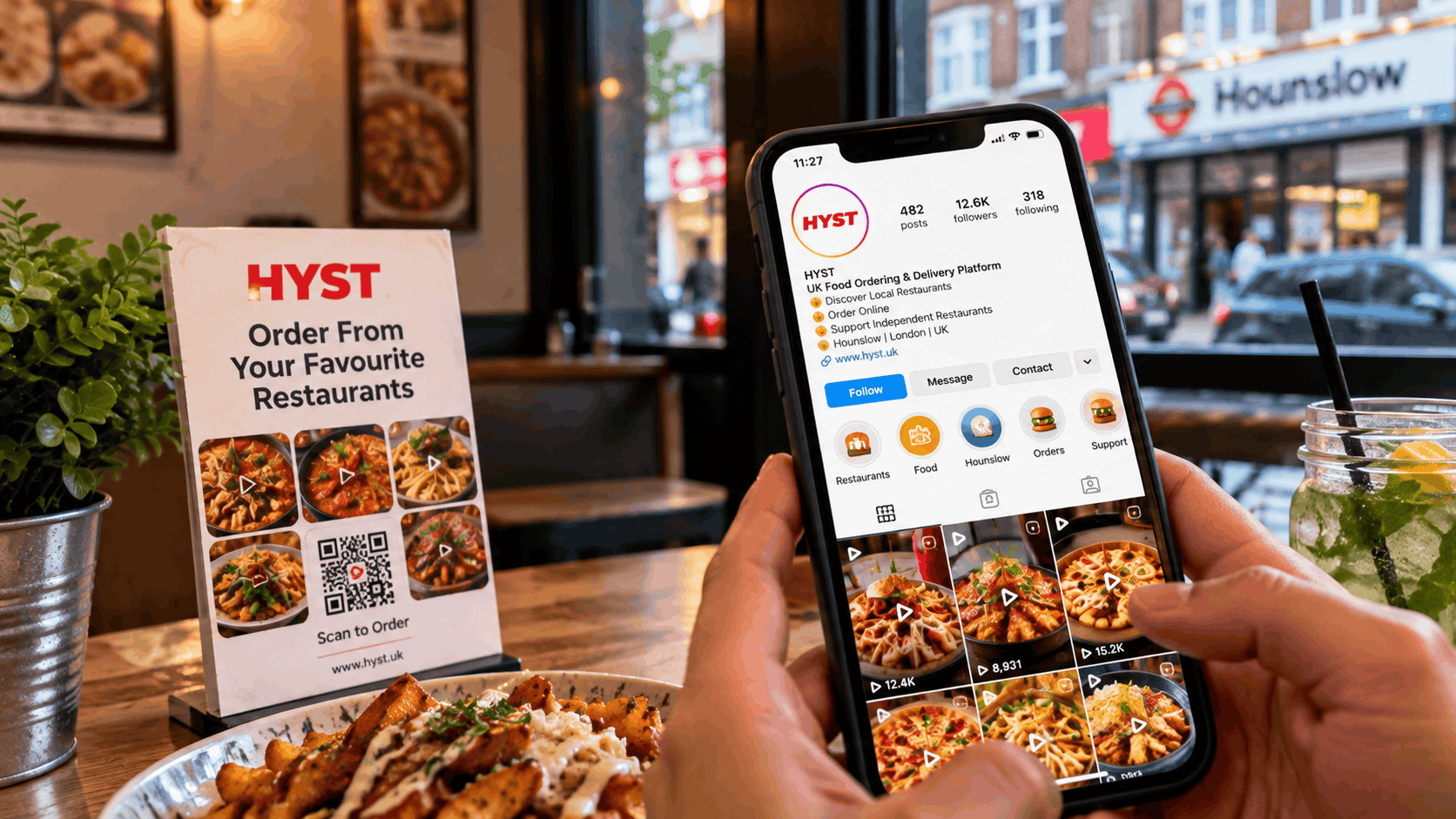
Social media gives restaurants an opportunity to showcase their food, reach nearby customers and turn online attention into real orders. For independent restaurants in Hounslow, a consistent social media strategy can help people discover the menu, understand what makes a business different and find a convenient way to order. However, views and likes alone do not guarantee sales. Restaurants need to connect engaging content with a clear ordering journey, accurate menu information and a reliable customer experience. Businesses can complement their social media activity with online ordering options such as HYST's restaurant discovery and ordering platform.
Why Social Media Matters for Hounslow Restaurants
Customers can discover local food businesses through search engines, recommendations, community groups and social media. A well-planned social media presence gives a restaurant another way to show its food, communicate its identity and stay visible to people in its local area.
For a restaurant in Hounslow, this can be particularly useful when promoting signature dishes, lunch options, family meals, takeaway menus or seasonal food.
Social media can support several business goals:
- Introduce the restaurant to potential new customers.
- Showcase popular dishes and menu categories.
- Help customers understand the restaurant's cuisine and style.
- Share accurate opening hours and service updates.
- Direct interested users to the online menu.
- Encourage customers to save or share useful posts.
- Support brand recognition and repeat visits.
- Generate measurable visits to the restaurant's ordering page.
The strongest approach is to treat social media as part of the customer journey, rather than as a separate activity measured only by follower numbers.
1. Create Food Content That Makes People Want to Explore the Menu
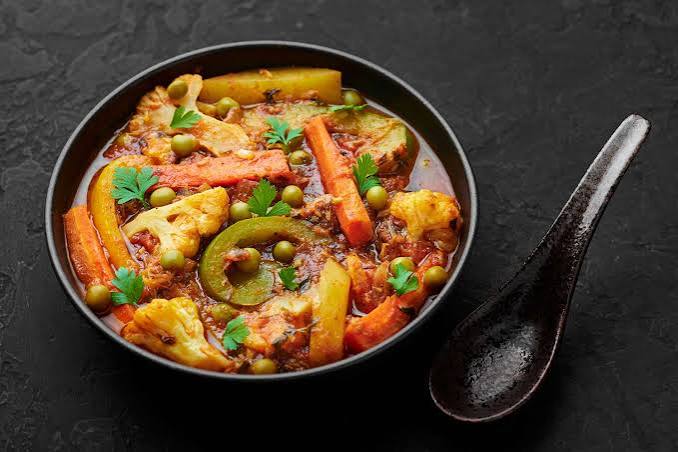
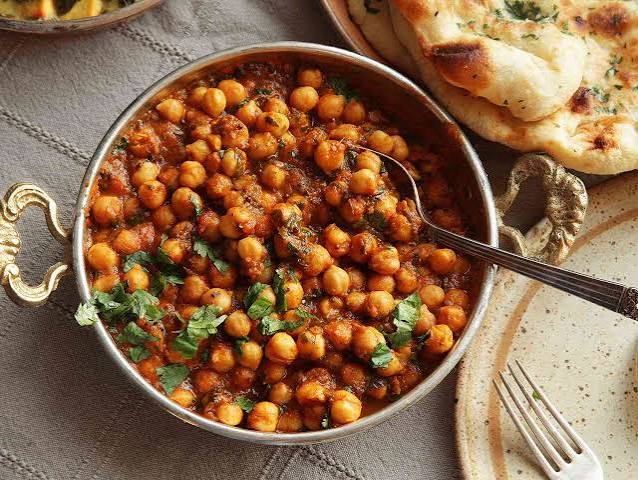
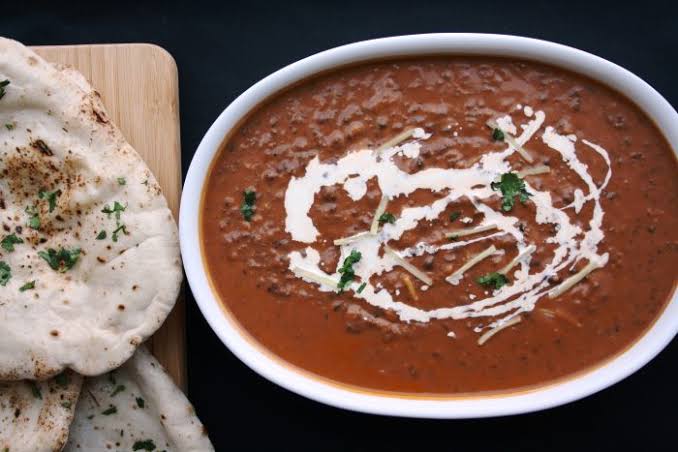
Food photography and short-form video can help customers understand what a restaurant serves before they visit or place an order.
Restaurants should focus on authentic, appetising content that reflects the dishes customers can actually buy. Useful content might include a close-up of a signature curry, a freshly prepared pizza, a dessert being plated, a takeaway meal being packed or a short look at the preparation process.
For stronger content, restaurants can:
- Use clear, well-lit photographs.
- Keep food colours and textures realistic.
- Show appropriate portion sizes.
- Use short videos with a clear beginning and ending.
- Add readable captions and relevant subtitles.
- Keep branding consistent across posts.
- Include a simple next step for interested customers.
A post should give viewers a reason to explore the restaurant. That reason could be a distinctive dish, a useful menu update or an introduction to the cuisine.
Restaurants should avoid relying entirely on generic food images. Original content helps communicate what is distinctive about the actual business and gives customers a more realistic expectation.
2. Focus on Local Customers, Not Just Broad Reach
A restaurant does not necessarily need millions of views to generate useful business. Reaching people who can realistically order from the restaurant may be more valuable than attracting attention from users outside its delivery or collection area.
Hounslow restaurants can create content relevant to nearby neighbourhoods and local food preferences. Depending on the business, this might include lunch options, evening takeaway, family meals, local events or dishes associated with a particular cuisine.
Relevant phrases can include “Hounslow restaurants,” “food delivery in Hounslow,” “Hounslow takeaway,” “local restaurants in West London” and “order food online in Hounslow.”
These phrases can be used naturally in captions, profile descriptions and video text where they accurately describe the business. Repeating a location keyword in every sentence is unlikely to create a good customer experience.
Restaurants should also keep their name, address, contact details and opening hours consistent across their website, social media profiles and online listings.
The broader shift towards digital discovery is explored in How Online Ordering Is Changing Hounslow's Food Scene, which provides additional context for local restaurants building their digital presence.
3. Make Every Post Lead Somewhere Useful
One common social media mistake is publishing attractive content without making it clear what interested customers should do next.
A person may enjoy a food video but still not know where to find the menu, whether delivery is available or how to place an order.
Restaurants should choose a relevant call to action for each post. Examples include:
- “Explore our menu.”
- “View today's menu.”
- “Order online.”
- “Check our collection options.”
- “Find your next favourite dish.”
- “See the full menu through the link in our profile.”
The call to action should lead to the correct destination. If a post promotes a particular dish, the linked menu should make that dish easy to locate where the ordering system allows it.
Restaurants should keep their main ordering link easy to find in their social media profile and check it regularly. Broken links, outdated menus and incorrect opening hours can waste the attention a post has generated.
For businesses working to improve their ordering journey, How Hounslow Restaurants Can Increase Direct Online Orders offers useful ideas for connecting online discovery with completed orders.
4. Use Short-Form Videos Strategically
Short-form videos can communicate food, atmosphere and preparation more dynamically than a static image. However, a video does not need complicated editing to be effective.
A restaurant can test several content formats:
Dish spotlight: Show one popular dish, its main ingredients where appropriate and the finished presentation.
Behind the scenes: Show a genuine preparation process, kitchen activity or packaging routine, with suitable permission and food-safety practices.
Menu guide: Introduce a few dishes from a particular category, such as vegetarian options, desserts or family meals.
Restaurant introduction: Explain the cuisine, location, opening hours and what customers can expect.
Frequently asked questions: Answer common questions about ordering, collection, delivery areas or menu availability.
Customer experience: Share genuine customer feedback or user-generated content with permission, without editing it in a misleading way.
The first few seconds should make the topic clear. Captions can help viewers understand the video even when they are watching without sound.
Restaurants should test different formats over time and compare the results rather than assuming that one video style will work for every audience.
5. Keep the Online Menu Consistent With Social Media
Social media may attract attention, but the online menu often determines whether that interest becomes an order.
If a post features a dish that is unavailable, has an outdated price or is difficult to find on the ordering page, customers may become frustrated. The restaurant should make sure that the content and menu match.
Before publishing a food promotion or menu-focused post, check:
- Is the dish currently available?
- Is the price accurate?
- Does the menu description match the actual dish?
- Are portion sizes and add-ons clear?
- Are dietary details accurate?
- Is the correct ordering link included?
- Are delivery or collection conditions explained?
A well-organised digital menu experience can support the journey from social media discovery to selecting a dish.
Restaurants should also update old posts when practical if the information is likely to mislead customers. A post that continues circulating long after a menu change can create avoidable confusion.
6. Use Customer Questions to Plan Content
Comments and direct messages can help restaurants understand what potential customers want to know.
For example, people may ask about vegetarian dishes, spice levels, portion sizes, opening hours, delivery availability or whether a particular item contains an ingredient.
These questions can become useful content ideas. A restaurant could publish a menu guide, explain its ordering process or create a short video about a frequently requested dish.
This approach gives social media content a practical purpose: answering real questions that may otherwise prevent someone from ordering.
Restaurants should respond professionally and accurately. If a question involves allergens or food safety, staff should provide verified information rather than guess. Sensitive customer details should not be shared publicly.
A useful FAQ post can also reduce repetitive enquiries and make the restaurant's online presence easier to navigate.
7. Build Trust With Transparent Prices and Accurate Information
Customers are more likely to feel comfortable ordering when the information they see is clear and consistent.
Social media content should not suggest a price, portion or service that the restaurant cannot provide. If a post mentions a dish price, that information should be current and any relevant conditions should be easy to understand.
Restaurants should also avoid using misleading food photographs or making unsupported claims about ingredients, quality or availability.
Transparent communication helps customers make informed decisions. It can also reduce disappointment when the order arrives.
The same principle applies to the ordering process. Customers should be able to understand the listed prices and applicable charges before completing payment.
For additional context, restaurants can review Why Clear Menu Pricing Matters to Online Food Customers.
8. Develop a Consistent Posting Plan
Posting regularly can help a restaurant maintain a recognisable presence, but consistency does not mean publishing content simply to fill a calendar.
A practical content plan should balance different purposes.
For example:
- Food discovery: Showcase signature dishes and popular categories.
- Menu information: Explain dishes, portion options and current availability.
- Behind the scenes: Show authentic preparation and restaurant operations.
- Local relevance: Share useful information connected to Hounslow and nearby customers.
- Customer questions: Answer common queries about ordering.
- Ordering reminders: Direct interested customers to the menu.
- Restaurant identity: Introduce the team, cuisine and story behind the business.
Restaurants can start with a manageable schedule and review what they can sustain. A smaller number of useful, well-produced posts may be more practical than a demanding schedule that results in inconsistent quality.
Content should also be adapted to the platform. A short vertical video may suit a Reels-style feed, while a detailed menu update may work better as a clear image or multi-slide post.
9. Make the Most of Customer Reviews and User-Generated Content
Genuine customer experiences can help potential diners understand what a restaurant offers.
Where customers voluntarily share photographs or feedback, restaurants can ask permission to repost the content and give appropriate credit. They should not imply that a customer endorses the business if that is not the case.
Restaurants can also respond to reviews with appreciation, factual clarification and a willingness to address problems.
A thoughtful response to criticism can demonstrate professionalism. However, businesses should avoid arguing publicly, revealing private information or pressuring customers to remove negative feedback.
Trust is built through the combination of honest communication and a reliable experience, not simply through the number of positive comments displayed.
10. Turn Social Media Engagement Into Measurable Orders
Restaurants need a way to understand whether social media activity is helping the business.
Likes, shares, comments and video views can show how content is being received, but they do not necessarily indicate sales. Owners should also consider the actions that bring customers closer to placing an order.
Useful measures include:
- Visits to the restaurant's profile.
- Clicks on the menu or ordering link.
- Website visits from social media.
- Completed orders where attribution is available.
- Customer enquiries about featured dishes.
- Engagement with location-specific content.
- Repeat visits from customers who discovered the restaurant online.
Where practical, restaurants can use analytics or properly configured campaign links to distinguish traffic from different social media channels. They should respect applicable privacy requirements and avoid collecting customer information without an appropriate basis.
The goal is to learn which content contributes to meaningful customer actions, rather than treating every increase in views as a business result.
11. Connect Social Media With the Wider Digital Presence
Social media works best when it supports the restaurant's other digital channels.
A customer might first see a video, search for the restaurant name, check its opening hours and then visit the online menu. If the information differs across those channels, the customer journey becomes less reliable.
Restaurants should make sure their social media profiles, website, business listings and ordering pages provide consistent information.
They should also ensure that their main menu link is accessible on mobile devices and that the ordering process is clear.
For restaurants considering another digital ordering channel, the HYST restaurant FAQs provide a place to review platform-related information before deciding whether it fits the business.
No single platform or marketing channel guarantees orders. Results depend on factors such as the restaurant's audience, food offering, pricing, location, content quality and ordering experience.
12. Choose the Right Approach for Your Restaurant
A neighbourhood takeaway, independent café and full-service restaurant may need different social media strategies.
A takeaway might focus on popular dishes, convenient ordering and local delivery information. A café may highlight coffee, breakfast, desserts and seasonal menu items. A family restaurant could focus on menu variety, dining occasions and clear information for group orders.
Before investing heavily in paid promotion, restaurants should make sure their profiles are complete, their menu information is accurate and their ordering links work correctly.
Businesses exploring HYST can review the restaurant partner programme to understand the available option and assess its suitability alongside their current website and marketing channels. Restaurant owners should check the applicable terms and features rather than assuming every service provides the same functionality.
The right strategy is one that the restaurant can maintain, measure and improve over time.
Conclusion: Turn Social Media Attention Into Online Orders
Social media can help Hounslow restaurants increase visibility, introduce customers to their food and encourage people to explore their menus. But sustainable results require more than attractive photographs or viral videos.
Restaurants should create authentic content, focus on relevant local audiences, answer customer questions and provide a clear route from each post to the online menu. They should also maintain accurate prices, reliable ordering information and consistent service.
By reviewing link clicks, completed orders and customer feedback, restaurant owners can identify which activities are genuinely useful to the business.
For independent restaurants in Hounslow and across the UK, the opportunity is to make social media a practical part of a wider digital strategy: attract attention, build trust, simplify ordering and give customers a good reason to come back.
SEO Keyword Ideas
Primary keywords: social media marketing for restaurants, social media for restaurants in Hounslow, generate online food orders, restaurant social media strategy, restaurant marketing Hounslow.
Supporting keywords: restaurant Instagram marketing, restaurant Facebook marketing, food content marketing, restaurant Reels ideas, social media engagement for restaurants, online food ordering promotion, restaurant digital marketing UK, restaurant content calendar, food photography marketing, restaurant website traffic.
Local keywords: Hounslow restaurant marketing, Hounslow food delivery, Hounslow takeaway restaurants, restaurants in Hounslow, local restaurants in West London, online food orders Hounslow, independent restaurants Hounslow.
Related long-tail keywords: how restaurants can get orders from social media, how to promote a restaurant online in the UK, social media ideas for local takeaways, turn food video views into orders, increase restaurant website traffic from Instagram, promote an online restaurant menu, create social media content for restaurants, attract local food customers online.